
Introduction
Node.js is a powerful, open-source, cross-platform JavaScript runtime environment that allows developers to run JavaScript code outside the browser. Built on Google Chrome’s V8 JavaScript engine, Node.js enables fast, scalable, and event-driven server-side application development.
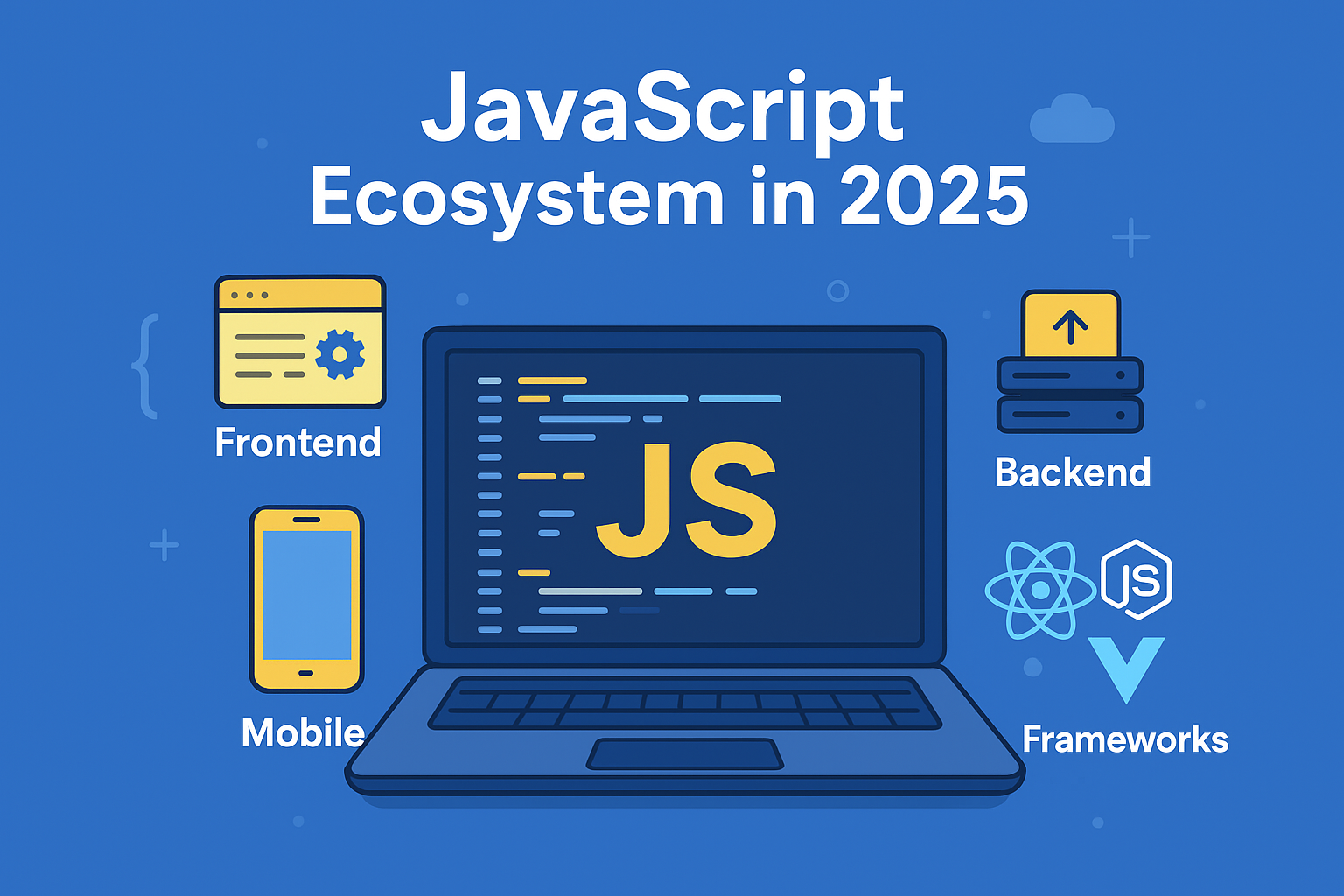
Since its introduction, Node.js has transformed the way modern web applications are built. In 2025, it remains one of the most popular backend technologies, widely used by startups, enterprises, and tech giants like Netflix, PayPal, Uber, and LinkedIn. Its non-blocking architecture, high performance, and massive ecosystem make Node.js an ideal choice for building real-time, data-intensive, and scalable applications.
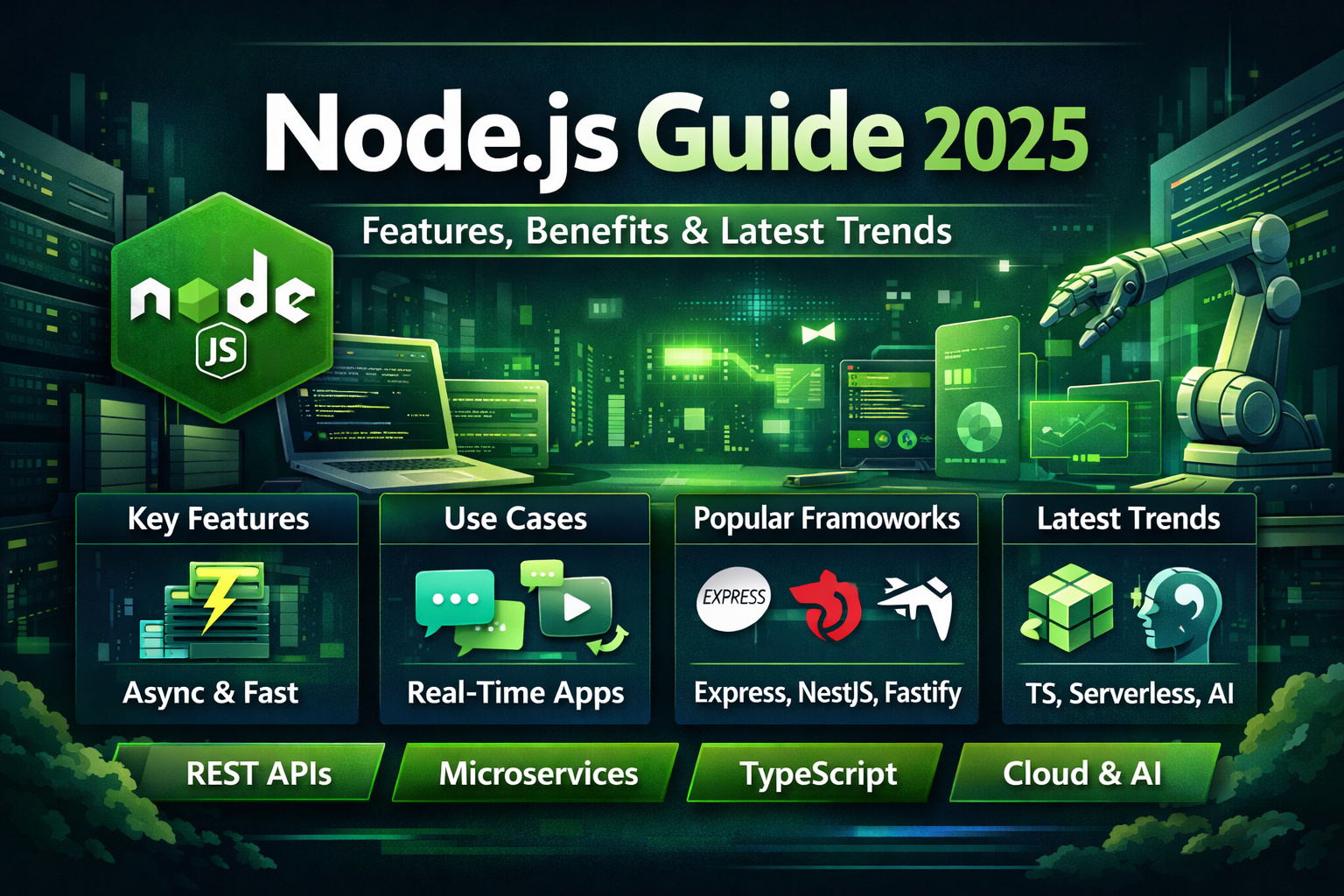
Key Features of Node.js
- Asynchronous & Non-Blocking I/O: Node.js uses an event-driven, non-blocking architecture that allows it to handle multiple requests simultaneously without waiting for one task to complete.
- Single Programming Language: Node.js allows developers to use JavaScript for both frontend and backend development, reducing context switching and improving productivity.
- High Performance: Built on the V8 engine, Node.js compiles JavaScript directly into machine code, resulting in fast execution and low latency.
- Scalable Architecture: Node.js is designed to scale horizontally, making it suitable for microservices and cloud-native applications.
- NPM (Node Package Manager): Node.js comes with NPM, one of the largest software registries in the world, offering millions of reusable libraries and tools.
- Cross-Platform Support: Node.js applications run seamlessly on Windows, macOS, and Linux.
Advantages of Node.js
Node.js is widely adopted due to its technical and business benefits:
- Fast Development Cycle: With reusable packages and JavaScript everywhere, development becomes faster and more efficient.
- Excellent for Real-Time Applications: Node.js excels in applications like chat systems, live notifications, and streaming platforms.
- Cost-Effective: Faster execution and fewer resources reduce infrastructure and development costs.
- Large Developer Community: A strong global community ensures continuous improvements, support, and innovation.
- Perfect for Microservices: Node.js works exceptionally well with containerization tools like Docker and orchestration platforms like Kubernetes.
Applications of Node.js
Node.js is used across multiple domains and industries:
- RESTful APIs & Backend Services: Commonly used to build APIs for React, Angular, Vue, and mobile applications.
- Real-Time Applications: Chat apps, collaboration tools, live dashboards, and multiplayer games.
- Enterprise Applications: Used in ERP, CRM, HRMS, and workflow automation systems.
- Streaming Applications: Ideal for audio/video streaming platforms due to its ability to handle data streams efficiently.
- IoT Applications: Lightweight and event-driven nature makes Node.js suitable for IoT devices and data processing.
Popular Node.js Frameworks & Ecosystem
Node.js offers a rich ecosystem of frameworks and tools:
- Express.js: The most popular minimal framework for building APIs and web applications.
- NestJS: A modern, enterprise-grade framework built with TypeScript and inspired by Angular architecture.
- Fastify: A high-performance framework focused on speed and low overhead.
- Socket.io: Enables real-time, bidirectional communication between clients and servers.
- PM2: A production process manager that keeps Node.js applications running efficiently.
Latest Node.js Trends (2024–2025)
- Node.js with TypeScript: TypeScript has become the default choice for large-scale Node.js applications due to better type safety and maintainability.
- Deno & Bun Influence: New runtimes like Deno and Bun are influencing Node.js improvements in performance, security, and developer experience.
- Serverless Architecture: Node.js dominates serverless platforms like AWS Lambda, Azure Functions, and Vercel.
- AI & API Integration: Node.js is widely used to integrate AI services, OpenAI APIs, and real-time data processing.
- Microservices & Event-Driven Systems: Node.js continues to be a preferred choice for distributed systems.
Best Practices for Node.js Development
- Use Asynchronous Patterns Properly: Prefer async/await over callbacks to improve readability and error handling.
- Structure Your Project: Follow modular architecture with controllers, services, and routes.
- Handle Errors Gracefully: Implement centralized error handling and logging.
- Secure Your Application: Use environment variables, input validation, authentication, and authorization.
- Write Tests: Use tools like Jest or Mocha for unit and integration testing.
Conclusion
Node.js has become a cornerstone of modern web development by enabling fast, scalable, and efficient server-side applications. In 2025, it continues to dominate backend development with its strong ecosystem, JavaScript-based workflow, and suitability for real-time and cloud-native applications.
Whether you are a student learning full-stack development, a freelancer building APIs, or an enterprise architect designing scalable systems, Node.js provides the flexibility, performance, and tools needed to build robust and future-ready applications.


Discussion (0)
Leave a comment